Digital PR used to be easier to explain.
You earned coverage.
You built links.
You increased awareness.
You improved authority.
You gave sales teams something credible to share.
You helped brands appear bigger, more trusted and more relevant than they would have done through owned channels alone.
That work still matters.
But AI search changes the role of Digital PR.
It is no longer just about influencing what people think when they read an article.
It is about influencing what machines understand when they are asked to recommend, compare, shortlist or explain a brand.
That is a very different game.
In a world where ChatGPT, Google AI Mode, AI Overviews, Perplexity, Gemini, Copilot and other AI surfaces increasingly sit between user intent and commercial decision-making, Digital PR becomes more than a visibility channel.
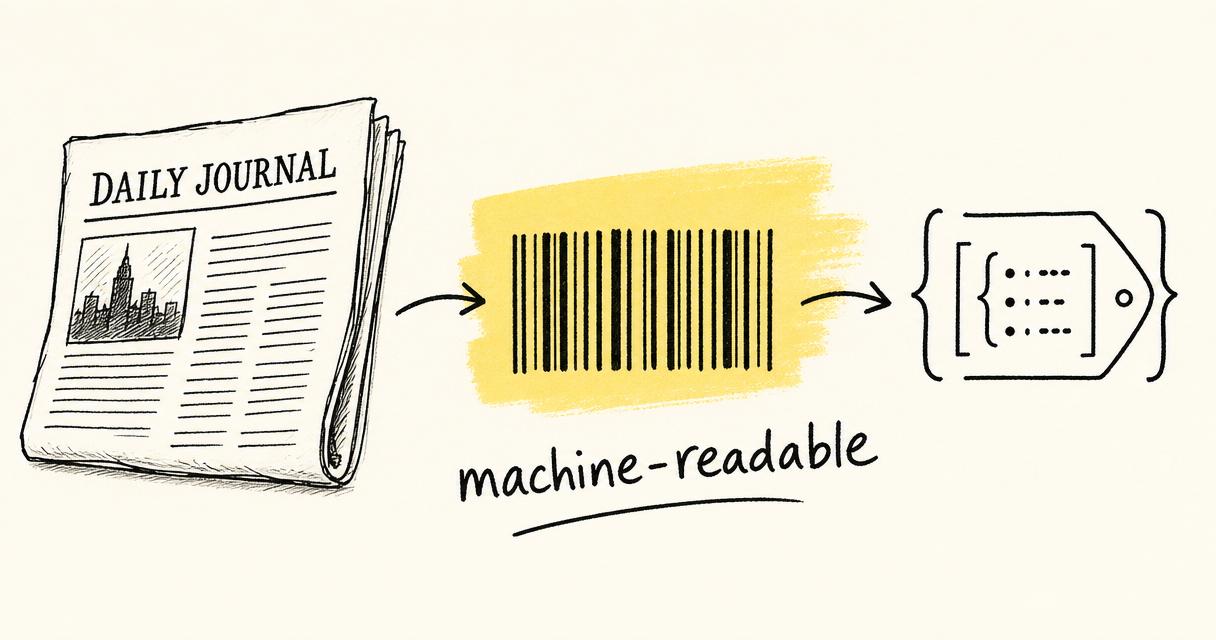
It becomes machine-readable reputation.
And I think that is going to become one of the most important marketing disciplines of the next few years.
The old role of Digital PR
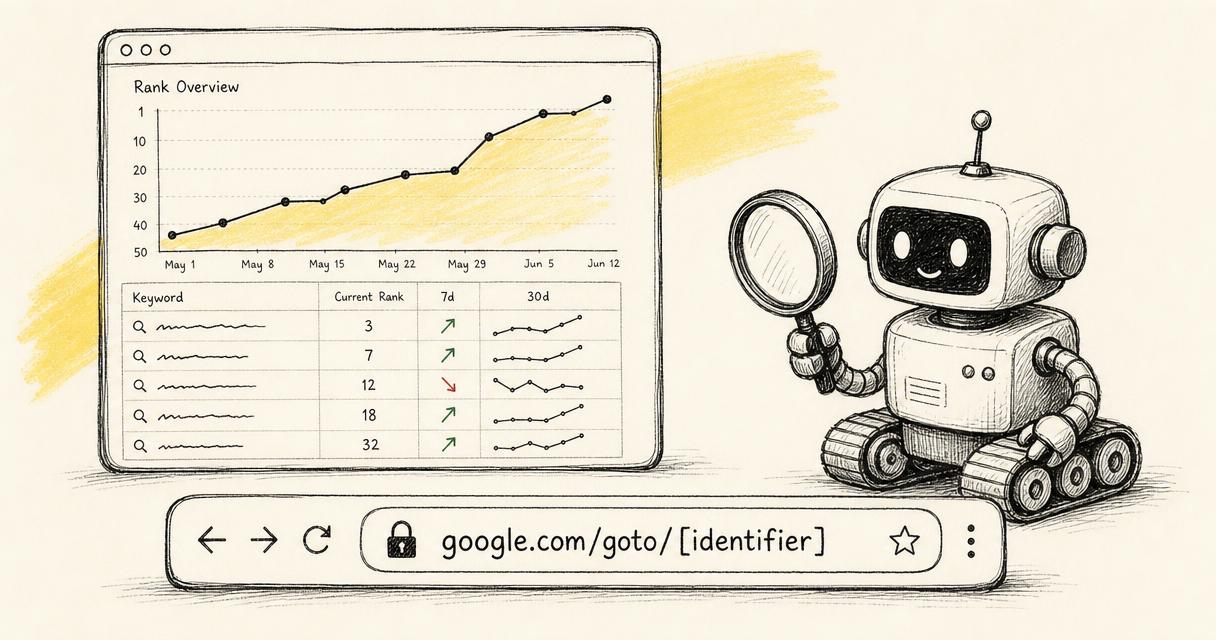
For most of the last decade, Digital PR has largely been discussed through an SEO lens.
That is understandable.
The commercial argument was clear.
Earn links from authoritative websites.
Build domain authority.
Improve organic rankings.
Increase search visibility.
Drive traffic.
Generate leads or sales.
For many brands, that model worked.
A good Digital PR campaign could create media coverage, brand awareness, referral traffic, backlinks, social conversation and improved SEO performance.
It gave PR a clearer performance role.
It moved the discipline closer to commercial outcomes.
It also gave marketers something they could measure.
Number of links.
Quality of links.
Domain authority.
Referral traffic.
Ranking movement.
Organic growth.
Coverage volume.
Share of voice.
That made sense in a search environment where the website was the main asset, Google was the main gateway, and the user still had to click through to make sense of the market.
But that environment is changing.
Search is becoming less click-led and more answer-led.
Discovery is becoming more conversational.
Comparison is being compressed.
Research is being summarised.
And recommendation is increasingly happening inside the AI answer itself.
That means Digital PR needs to be understood differently.
Not as a link-building tactic.
Not as a coverage report.
Not as a brand awareness exercise.
But as a way of creating credible, third-party evidence that AI systems can find, interpret and use.
AI search needs evidence
AI search is not just ranking pages.
It is synthesising answers.
That matters.
When a user asks a traditional search engine a question, they are usually given a set of possible sources. The user decides which ones to open, which ones to trust, and how to interpret the information.
When a user asks an AI surface the same question, the system does more of that work on their behalf.
It may search across multiple sources.
It may compare options.
It may summarise strengths and weaknesses.
It may cite supporting pages.
It may recommend brands.
It may explain why one option is more suitable than another.
That creates a new form of commercial influence.
The question is no longer only:
Can we rank?
The question becomes:
Can we be understood, trusted and cited by the systems producing the answer?
That is where Digital PR becomes critical.
Because AI systems need evidence.
They need corroboration.
They need trusted sources.
They need clear entity signals.
They need consistent language.
They need third-party validation.
They need enough external proof to understand that a brand is genuinely relevant to a category, problem, market or audience.
Your own website can tell the world what you want to be known for.
Digital PR helps prove that the wider market also sees you that way.
That difference is becoming commercially important.
The first reader may now be a machine
This is the shift that marketers need to sit with.
Historically, the first meaningful reader of a piece of coverage was a human.
A journalist's audience.
A potential customer.
A stakeholder.
A buyer.
An investor.
A future employee.
A competitor.
Now, the first meaningful reader may be a machine.
An AI system may encounter the article before a buyer does.
It may extract the brand name, category, claim, quote, statistic, comparison, sentiment, author, publication, date and surrounding context.
It may use that coverage to help answer a future question.
It may decide whether the brand deserves to be mentioned.
It may decide whether the brand is a category leader, challenger, specialist, budget option, enterprise provider, local supplier or risky choice.
That does not mean humans stop mattering.
They still matter.
But the path between coverage and commercial impact is changing.
A buyer might never read the article directly.
They might ask an AI assistant:
"Which B2B SaaS companies are doing interesting work in customer onboarding?"
"Who are the best ecommerce agencies for international expansion?"
"What are the most trusted furniture brands in the UK?"
"Which cybersecurity vendors are credible for mid-market businesses?"
"Which experts should I follow on AI search?"
The answer may be shaped by coverage, mentions, reviews, expert commentary, interviews, awards, podcasts, data studies and industry publications that the buyer never visits manually.
That is why Digital PR becomes machine-readable reputation.
It is reputation built in places machines can retrieve.
Brand mentions become more valuable than marketers realise
For years, SEO teams have been obsessed with links.
Again, for good reason.
Links were measurable.
Links influenced rankings.
Links gave Digital PR a performance story.
But AI search broadens the value of a brand mention.
A link is still useful. I am not arguing otherwise.
But a machine does not only learn from links.
It can learn from mentions.
It can learn from repeated associations.
It can learn from context.
It can learn from co-occurrence.
It can learn from how a brand is described across multiple independent sources.
If a brand is repeatedly mentioned in credible publications as a Shopify Plus agency for fashion brands, that association starts to matter.
If a founder is repeatedly quoted on ecommerce growth, international SEO and AI search, that association starts to matter.
If a company is consistently included in articles about sustainable packaging, B2B payments, CRM implementation, cybersecurity compliance or garden furniture trends, that association starts to matter.
This is not the same as traditional link equity.
It is entity understanding.
AI systems need to understand what a brand is, what it does, who it serves, what it is credible on, and where it sits in relation to alternatives.
Digital PR is one of the strongest ways to build that understanding across the wider web.
Machine-readable reputation needs consistency
This is where a lot of brands will struggle.
They do not describe themselves consistently.
Their website says one thing.
Their LinkedIn says another.
Their press coverage says something else.
Their founders describe the business differently in interviews.
Their review profiles use old category language.
Their directory listings are outdated.
Their case studies focus on one audience, while their PR talks to another.
Their product pages use broad generic claims.
Their sales team uses sharper language than the marketing team.
Their customers describe the value differently again.
For a human, this is mildly confusing.
For AI systems, it is a bigger problem.
If the web cannot consistently explain what a brand is, why should an AI surface confidently recommend it?
Machine-readable reputation depends on consistency.
Not robotic repetition.
Not copy-and-paste boilerplate everywhere.
But clear, coherent entity framing.
The brand needs to be associated with the right category, the right audience, the right problems, the right proof points and the right outcomes.
That means Digital PR can no longer be separated from positioning.
A campaign that earns coverage but describes the brand in a vague or inconsistent way may still look good in a report.
But it may do very little to strengthen how AI systems understand the business.
The coverage exists.
The machine-readable value is weak.
Vague PR will become less useful
This is one of the biggest changes I expect.
Vague PR will become less commercially useful.
A quote that says a business is "delighted to be driving innovation and helping brands navigate the future" does very little for anyone.
It does not help a buyer.
It does not help a journalist.
It does not help a search engine.
It does not help an AI model.
It is just noise.
Machine-readable Digital PR needs clearer language.
It needs stronger nouns.
It needs specific categories.
It needs factual claims.
It needs named audiences.
It needs useful comparisons.
It needs data.
It needs evidence.
It needs quotable expertise.
It needs a clear relationship between the brand and the topic.
For example, this is weak:
"Brand X is transforming the future of customer experience through innovative technology."
This is stronger:
"Brand X provides AI-assisted customer onboarding software for mid-market B2B SaaS companies, helping customer success teams reduce manual onboarding tasks and identify accounts at risk of churn."
The second version gives the machine something to work with.
Category.
Use case.
Audience.
Function.
Commercial outcome.
That is the level of clarity Digital PR needs in an AI search world.
PR becomes part of the data supply chain
This is probably the most important strategic shift.
Digital PR used to sit alongside SEO, content, social and brand.
Now it starts to become part of the data supply chain for AI-mediated discovery.
That sounds more technical than it needs to.
The point is simple.
AI systems need information to make recommendations.
Digital PR helps create that information in credible third-party environments.
If the only place a brand is described well is its own website, that is a limited evidence base.
If the brand is also described clearly in industry publications, expert roundups, independent research, interviews, podcasts, comparison articles, award shortlists, customer stories and data-led reports, the evidence base becomes stronger.
That evidence can then influence how AI surfaces understand the brand.
Digital PR is no longer just the story you put into the market.
It is part of the external knowledge layer that machines may use when forming answers.
That should change how marketers plan campaigns.
The goal is not simply to get coverage.
The goal is to build an evidence trail.
What machine-readable Digital PR looks like
Machine-readable Digital PR does not mean writing for robots.
It means writing in a way that is useful to both humans and machines.
That requires a few things.
Clear entity framing
The brand, founder, product or service needs to be described clearly.
Who are they?
What category are they in?
Who do they serve?
What problem do they solve?
What are they known for?
How are they different?
If that is not clear, the coverage may not strengthen the brand's AI search visibility.
Consistent category association
Brands need to decide what they want to be associated with.
A business cannot be everything.
If every piece of coverage points in a different direction, the brand's machine-readable reputation becomes diluted.
The strongest brands will build repeated associations around specific categories, problems, audiences and outcomes.
Specific proof points
AI systems are more likely to reuse information that is concrete.
Numbers.
Dates.
Customer examples.
Market data.
Survey findings.
Benchmarks.
Product facts.
Named use cases.
Clear comparisons.
Specificity travels better than vague positioning.
Independent corroboration
Owned content matters, but third-party validation matters differently.
A brand saying it is trusted is one thing.
A respected publication, customer, analyst, expert, partner or community repeatedly associating the brand with a specific area of expertise is stronger.
That is why Digital PR matters.
It creates corroboration outside the brand's own walls.
Extractable expertise
Expert commentary should be written so that it can be understood, quoted and reused.
That means clean explanations.
Strong definitions.
Clear opinions.
Specific predictions.
Useful frameworks.
Practical advice.
If a quote could be attributed to almost any brand in the category, it is probably too generic.
Source quality
Not all coverage is equal.
AI systems may cite different sources for different queries, but source quality still matters.
A relevant trade publication, respected industry website or credible niche source may be more valuable than a broad publication with little topical relevance.
The question is not just: is this a big publication?
The better question is: is this a source AI systems are likely to trust for this topic?
Recency
Old coverage can still help, but AI search creates pressure for reputation to stay current.
A brand that was heavily covered three years ago but has little recent evidence may be less visible than a competitor with fresher, more consistent mentions.
Reputation needs maintenance.
Sentiment
Coverage is not automatically positive.
AI systems may pick up on criticism, mixed reviews, controversy, customer complaints or weak comparative positioning.
Digital PR needs to be connected to reputation management, not just coverage generation.
If the wider web is saying something negative, ignoring it does not make it disappear.
The new Digital PR brief
The Digital PR brief needs to evolve.
A traditional brief might say:
We need links from high-authority publications.
An AI search-era brief should be more specific.
It should say:
We need to strengthen the brand's association with a defined category, audience and set of commercial problems across trusted third-party sources that AI systems are likely to retrieve when answering high-intent prompts.
That is a different level of thinking.
It forces better questions.
What do we want the brand to be known for?
Which prompts should we appear in?
Which competitors are currently cited?
Which sources appear to influence those answers?
What sentiment surrounds the category?
Which proof points are missing?
Which claims need third-party validation?
Which experts should be quoted?
Which publications have topical authority?
Which customer stories support the position?
Which data could we create that the market would genuinely find useful?
This is where Digital PR becomes strategic again.
Not reactive coverage chasing.
Not stunt-led link acquisition.
Not campaign ideas in search of relevance.
Strategic reputation building.
Digital PR and SEO need to work differently together
Digital PR and SEO have always overlapped.
But AI search changes the shape of that relationship.
SEO still matters.
Technical foundations still matter.
Indexability still matters.
Structured content still matters.
Useful owned pages still matter.
But Digital PR solves a different problem.
SEO helps machines find and understand your owned content.
Digital PR helps machines find external evidence that other people also believe you are credible.
Those two things compound.
A strong owned website with no third-party validation may struggle to be trusted.
Strong coverage with a weak website may create interest that the brand fails to convert.
The best approach is joined up.
The website should clearly state the brand's position.
Digital PR should reinforce that position externally.
Content should answer the questions the market is asking.
Reviews should support the claims.
Social proof should make the brand feel active and trusted.
Case studies should evidence outcomes.
Schema and structured data should help machines parse the facts.
Expert commentary should make the brand easier to associate with a subject.
The old model was:
Digital PR earns links that help SEO.
The new model is:
Digital PR builds the external evidence layer that helps AI systems understand, trust and cite the brand.
That is a bigger role.
The problem with coverage volume
One of the worst things marketers can do is carry old reporting habits into this new environment.
Coverage volume on its own is not enough.
A campaign might generate 80 links and still do very little to improve machine-readable reputation.
Why?
Because the coverage might not mention the brand clearly.
It might not explain what the brand does.
It might not connect the brand to a relevant category.
It might be syndicated low-quality coverage.
It might be in publications that are not influential for the target topic.
It might use vague language.
It might not include any useful proof points.
It might create a short-term spike and no lasting entity value.
This is why Digital PR measurement needs to change.
Marketers should still track coverage and links, but they should also track whether that coverage changes how the brand appears in AI search.
That is the commercial test.
How to measure machine-readable reputation
If I were measuring Digital PR for AI search, I would want to look at a broader set of signals.
Not just how much coverage did we get?
But what did that coverage teach the market?
And what did it teach the machine?
The measurement model should include:
Citation frequency
How often is the brand cited across target AI search prompts?
This should be measured across informational, commercial, comparison and recommendation prompts.
Citation prominence
When the brand is mentioned, where does it appear?
First?
Middle?
Last?
As the recommended option?
As an alternative?
As a caveat?
Prominence matters.
Sentiment
How is the brand described?
Positive?
Neutral?
Negative?
Cautious?
Outdated?
Specialist?
Premium?
Affordable?
Trusted?
Niche?
Sentiment can change the commercial value of the citation.
Source influence
Which sources are being cited when the brand appears?
Are they owned pages?
Reviews?
Trade publications?
News sites?
Forums?
Directories?
Comparison articles?
Industry reports?
This helps identify which parts of the digital ecosystem influence AI visibility.
Competitor co-citation
Which competitors appear alongside the brand?
Is the brand being compared with the right competitors?
Is it being placed in the right market tier?
Is it being framed as a serious option or a weaker alternative?
Entity consistency
Is the brand described consistently across AI answers?
Or does the description change depending on the prompt?
Inconsistent descriptions suggest the market evidence is unclear.
Prompt coverage
Which prompt types does the brand appear for?
Broad category prompts?
High-intent buying prompts?
Problem-aware prompts?
Location-specific prompts?
Alternative-to prompts?
Competitor comparison prompts?
Use-case prompts?
This matters because not all visibility has the same commercial value.
Message accuracy
Are AI systems describing the brand correctly?
Are they using outdated claims?
Are they missing important services?
Are they misunderstanding the audience?
Are they inventing capabilities?
Are they underplaying strengths?
Accuracy is part of reputation.
Coverage quality
Which pieces of Digital PR coverage appear to support stronger AI visibility?
This is where teams can start learning which publications, topics, formats and proof points actually influence machine understanding.
Reviews and third-party sentiment
Digital PR cannot be separated from reviews.
If coverage says one thing but customers say another, AI systems may surface both.
That means reputation management, customer experience and Digital PR need to be much more connected.
What brands should do now
Most brands do not need to panic.
But they do need to start building the foundations.
The first step is to audit how they currently appear in AI search.
Ask the questions buyers would ask.
Ask the comparison prompts.
Ask the recommendation prompts.
Ask the problem-led prompts.
Ask the "best provider for X" prompts.
Ask the "what are the common complaints about X" prompts.
Ask the "who are the leading experts in X" prompts.
Then look at the answers properly.
Are you there?
Are you cited?
Are you recommended?
Are you framed accurately?
Are your competitors there?
Which sources are used?
What sentiment appears?
What is missing?
The second step is to audit the wider digital ecosystem.
Where is the brand mentioned?
How is it described?
Are the descriptions consistent?
Are the strongest proof points visible?
Are reviews healthy?
Are comparison sites accurate?
Are old articles creating confusion?
Are key category pages strong enough?
Are experts associated with the right topics?
Are the right publications covering the brand?
The third step is to build a Digital PR strategy around entity clarity.
That means choosing the categories, problems, audiences and proof points the brand wants to own.
Not 20 things.
A focused set of associations.
Then Digital PR activity should reinforce those associations repeatedly across credible sources.
The fourth step is to create better assets.
Digital PR needs evidence to work with.
That might mean proprietary data.
Customer insight.
Market analysis.
Original research.
Benchmarks.
Expert commentary.
Practical frameworks.
Case studies.
Trend reports.
Useful tools.
Strong points of view.
The more useful the asset, the more likely it is to earn meaningful coverage.
The fifth step is to connect PR with owned content.
If a campaign earns coverage around a topic, the website should have a strong, structured page that explains the brand's position on that topic.
If the founder is quoted as an expert, there should be an author profile that supports that expertise.
If the brand is mentioned in relation to a category, the category page should be clear and useful.
If reviews are a major trust signal, they should be visible, current and connected to the wider proposition.
Digital PR should not sit in isolation.
It should feed the whole reputation system.
What this means for agencies
This shift also matters for agencies.
Digital PR agencies that only sell links may struggle.
SEO agencies that ignore off-site reputation may struggle.
Content agencies that publish generic articles may struggle.
Brand agencies that do not understand search behaviour may struggle.
Social teams that ignore how community sentiment is being surfaced may struggle.
The opportunity is in joining the dots.
The strongest agencies will be able to connect:
Search intent.
AI prompt behaviour.
Brand positioning.
Digital PR.
Content strategy.
Reviews.
Entity optimisation.
Technical SEO.
Social proof.
Commercial outcomes.
That is not easy.
But it is where the market is going.
Digital PR has a chance to become more commercially important, not less.
But only if it moves beyond the old metrics.
The risk of manipulation
There will, inevitably, be attempts to game this.
There will be AI search spam.
There will be fake expert commentary.
There will be synthetic reviews.
There will be low-quality guest posts.
There will be mass-produced "best of" lists.
There will be brands trying to flood the web with machine-readable claims.
That is going to happen.
But I do not think that invalidates the opportunity.
If anything, it makes genuine reputation more important.
AI systems will have to get better at identifying source quality, corroboration, expertise and authenticity.
Brands will have to build stronger evidence trails.
Journalists and publishers will need clearer standards.
Marketers will need to stop treating coverage as a numbers game.
The brands that win will not be the ones that create the most noise.
They will be the ones that create the clearest, most credible and most consistent evidence.
My prediction
My prediction is that Digital PR will become one of the most important inputs into AI search visibility.
Not because links stop mattering.
Not because SEO disappears.
Not because owned content becomes irrelevant.
But because AI search makes third-party reputation easier to surface, summarise and reuse.
The old PR question was:
Can we get people talking about us?
The new PR question is:
Can we create enough credible external evidence for AI systems to understand, trust and recommend us?
That is a much more interesting question.
It forces better strategy.
It forces clearer positioning.
It forces stronger proof.
It forces brands to care about how they are described outside their own website.
And it makes reputation measurable in a new way.
If AI surfaces become the place where buyers ask who to trust, what to buy, which provider to choose, which expert to follow, or which brand deserves attention, then Digital PR becomes part of the revenue journey.
Not indirectly.
Directly.
Because the answer may be the new consideration set.
And if the answer is shaped by the sources, mentions and evidence that surround a brand, then machine-readable reputation becomes a must.
Digital PR is no longer just about being seen.
It is about being understood.
And in AI search, being understood may become the difference between being recommended and being invisible.